Why Vietnam White Marble Has Become the First Choice for a Marble Temple in Delhi
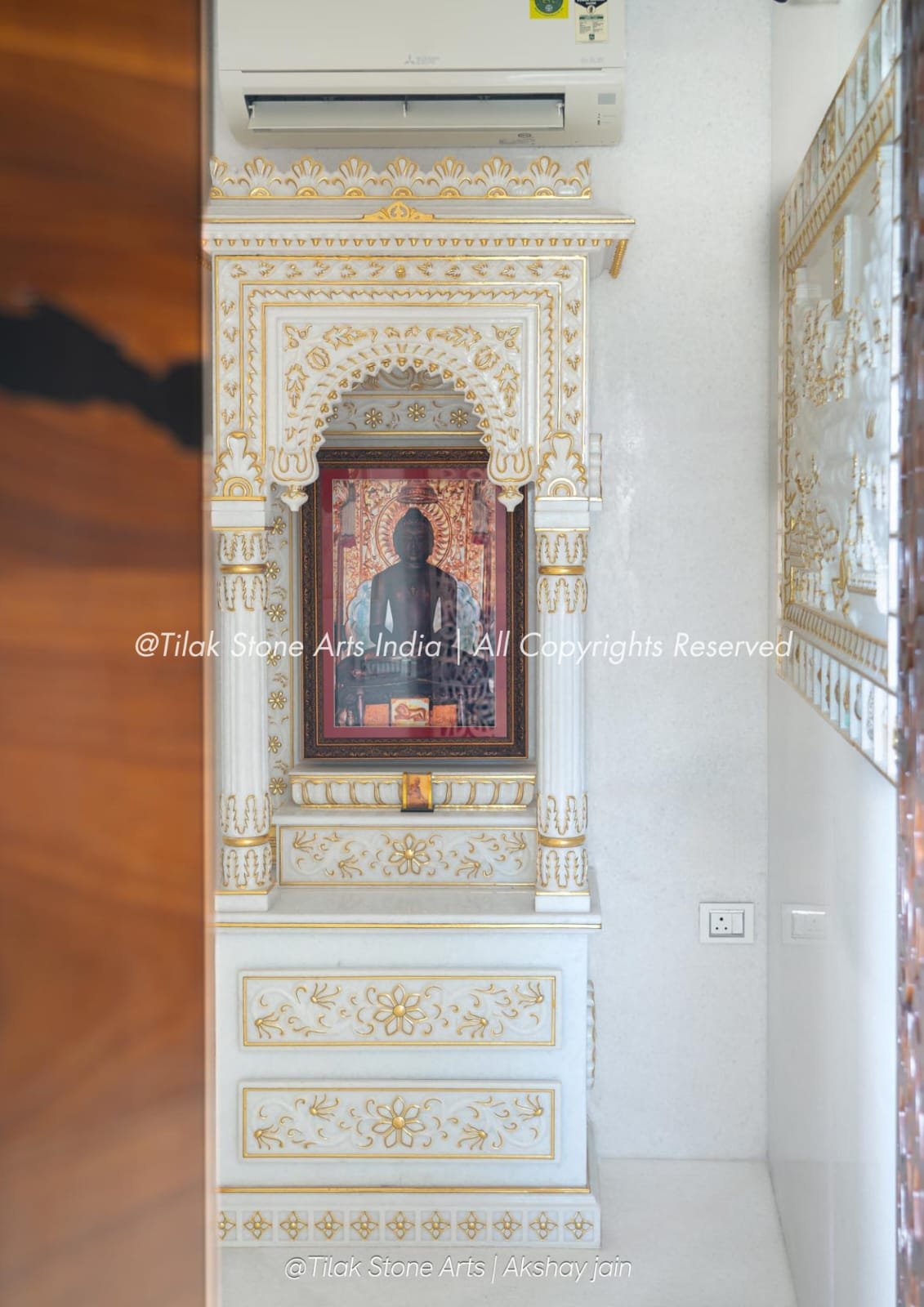
Walk into any premium home in South Delhi or Gurgaon today, and you will likely spot a marble temple in the corner of the living room or a dedicated pooja space. Look closer at the marble itself. You may notice something. The truly elegant ones share a common quality. They glow with a soft, white sheen that does not fade or yellow over time. That marble has a name, and more buyers shopping for a marble temple in Delhi have started asking for it by that name.
The Delhi Problem No One Talks About
Delhi homes face a quiet enemy. Dust on every surface. Pollution that settles overnight. Then the humidity swings hard between summer and monsoon, with each season working its way into the stone. Marble that looked stunning in the showroom often starts showing dull patches within two or three years. The white shifts to a tired yellow. Veins that seemed elegant turn muddy. Many families discover this only after they have already paid lakhs for their marble temple in Delhi.
Some try cleaning solutions. A few attempts to polish the surface back to life. The damage tends to be permanent because the marble itself was the problem, not the maintenance routine.
What Makes Vietnam’s White Marble Different
Vietnam White Marble, also called Swiss White Marble or Super Fine White Vietnam, has a tighter grain structure than most other white marbles available in India. The grains lock moisture and pollutants out. The surface stays cleaner for longer. A few properties stand out:
- The base white tone holds up against UV exposure and city air.
- Low porosity means dust does not settle into micro-pores
- The crystalline structure allows for sharper carving without chipping.
Skilled artisans prefer working with this stone. They can carve thin lotus petals and fine pillar grooves without the risk of breakage. Detailed deity figures hold their shape too. Other marbles often fracture under the same chisel pressure, which is why some workshops quietly limit how intricate their carvings can go.
The Test Most Buyers Skip
Here is something most temple buyers never try. Place a drop of water on a sample piece. Wait ten minutes. Wipe it off. Look at the spot. Lower-quality marble will show a dark ring or a damp patch that lingers. Vietnam White Marble shrugs off water. The drop sits on top without seeping in. That single test reveals more about a temple’s future than any sales pitch ever could.
Some sellers in Delhi push cheaper alternatives by polishing them aggressively before showroom display. The shine fools buyers for the first few months at home. After the polish wears off, the real character of the stone surfaces. By then, returns are impossible, and the temple is already installed, often anchored to the floor with stone-grade adhesive.
How Delhi Weather Treats Different Stones
Summer afternoons in Delhi cross 45 degrees. Winters drop close to 4. The marble in a pooja room sits through this every year, often near a window or a wall that faces the sun. Cheaper stone expands and contracts unevenly under that pressure. Small cracks appear near the corners and along the carving lines. You may not notice them in the first year. The second year shows them faintly. By the fifth year, structural repairs become a real concern, and the temple starts looking older than it should.
Vietnam White Marble handles thermal stress better. The denser composition resists hairline fractures. Families who installed temples in this material a decade ago report the surface still looks close to its original finish, with just routine wiping. That kind of longevity matters when a temple becomes part of the family for generations.
See also: Professional Spring Cleaning Helps London Homes Feel Fresher, Lighter, and More Organised Again
Carving Detail That Holds Up Over Time
Look at any quality marble temple in a Delhi home. The details speak first. The Kalash on top. The bell carvings. The lotus base. The diya niches. These are not just decorative pieces. They are the parts that catch the eye every morning during aarti, and the parts visitors notice first when they walk into the room.
Vietnam White Marble allows artisans to carve at depths and thinnesses that other materials cannot easily support. A 2 mm petal in this stone holds firm against daily dusting. The same petal in a softer marble would chip within months. That difference shows up most clearly in the finer work, where lesser stone forces artisans to thicken every line and lose the sharpness of the design.
A Final Thought Before You Buy
The temple at home is not a piece of furniture. It is the spiritual centre of the household. The material chosen for it carries weight beyond looks alone. A wrong choice quietly damages the experience for years. The right choice, made once, becomes a quiet source of pride for the family and a sacred space that stays as luminous on day three thousand as it did on day one.