
What Are the Long Term Effects of a Traumatic Brain Injury After an Accident?
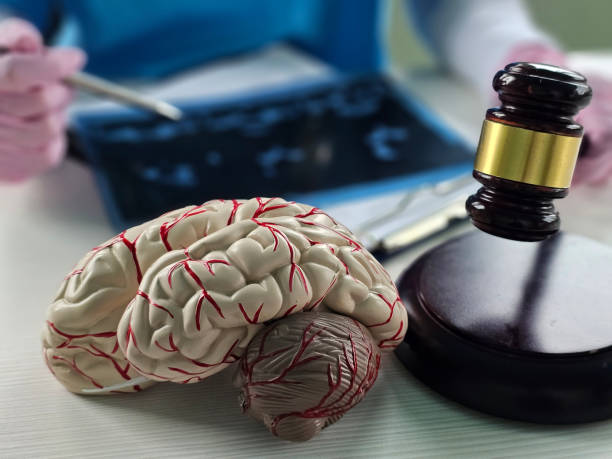
Traumatic brain injuries can have life changing consequences for accident victims and their families. Unlike many physical injuries that heal over time, brain injuries may create long term cognitive, emotional, physical, and financial challenges that continue for years after an accident occurs. These injuries often affect a person’s ability to work, communicate, concentrate, and maintain daily routines, making recovery significantly more complex than many other types of personal injuries.
Victims dealing with serious head trauma often face expensive medical treatment, rehabilitation programs, and uncertainty regarding future health conditions. Seeking guidance from an experienced brain injury lawyer can help injured individuals understand their legal rights and pursue compensation for both immediate and long term damages associated with traumatic brain injuries.
What Is a Traumatic Brain Injury?
A traumatic brain injury, commonly referred to as a TBI, occurs when a sudden impact, violent movement, or external force disrupts normal brain function. These injuries may result from car accidents, motorcycle crashes, falls, workplace incidents, sports injuries, or acts of violence. Brain injuries can range from mild concussions to severe trauma that causes permanent disability or cognitive impairment.
Even mild traumatic brain injuries can produce symptoms that interfere with everyday life. More severe injuries may require extensive medical intervention, long term rehabilitation, and continuous supervision. In some cases, symptoms may not appear immediately following the accident, making prompt medical evaluation extremely important.
Traumatic brain injuries often involve damage to brain tissue, bleeding within the skull, swelling, nerve damage, or oxygen deprivation. Because the brain controls nearly every bodily function, even a small injury can affect memory, speech, movement, emotions, and behavior.
What Symptoms Commonly Appear After a Brain Injury?
Brain injury symptoms vary depending on the severity and location of the trauma. Some individuals experience immediate symptoms, while others develop complications gradually over time. Medical professionals typically monitor patients closely after head injuries because certain conditions may worsen in the hours or days following an accident.
Physical symptoms commonly associated with traumatic brain injuries include headaches, dizziness, nausea, blurred vision, fatigue, sensitivity to light, balance problems, and loss of coordination. Some victims may also experience seizures, sleep disturbances, or difficulty with motor functions.
Cognitive symptoms can significantly affect a person’s ability to think clearly and process information. Memory loss, concentration problems, confusion, slowed thinking, and difficulty understanding conversations are common challenges for many TBI victims. Emotional and psychological symptoms may also develop, including anxiety, depression, mood swings, irritability, and personality changes.
Severe brain injuries may result in permanent neurological impairments, speech difficulties, paralysis, or reduced cognitive functioning. Because symptoms can evolve over time, continuous medical treatment and monitoring are often necessary throughout the recovery process.
Why Immediate Medical Treatment Is Critical
After any accident involving a head injury, seeking immediate medical attention is extremely important. Delaying treatment may increase the risk of serious complications and make it more difficult to establish a clear connection between the injury and the accident during legal proceedings.
Emergency room evaluations often include neurological assessments, imaging scans, and cognitive testing to identify potential brain trauma. CT scans and MRIs help physicians detect swelling, bleeding, fractures, and tissue damage that may not be visible during a physical examination.
Medical documentation created shortly after the accident becomes critical evidence in personal injury claims. Hospital records, physician notes, rehabilitation plans, and specialist evaluations help demonstrate the severity of the injury and the long term impact on the victim’s life. Ongoing treatment records also provide insight into future medical needs and rehabilitation expenses.
Because brain injuries frequently involve complex symptoms and prolonged recovery periods, victims may require treatment from neurologists, neuropsychologists, physical therapists, occupational therapists, and rehabilitation specialists.
What Causes Most Traumatic Brain Injuries?
Traumatic brain injuries can occur in many different situations, but certain accidents are more commonly associated with severe head trauma.
Motor Vehicle Accidents
Car accidents remain one of the leading causes of traumatic brain injuries throughout the United States. Sudden impacts during collisions may cause the brain to strike the inside of the skull, resulting in bruising, bleeding, or swelling. Motorcycle accidents, truck collisions, and pedestrian accidents often involve particularly severe brain trauma because of the force involved.
Falls and Slip Accidents
Falls are another major cause of brain injuries, especially when individuals strike their heads on hard surfaces. Unsafe stairways, wet floors, poor lighting, and hazardous property conditions can contribute to serious fall related head injuries.
Workplace Accidents
Construction sites, industrial environments, and physically demanding workplaces often involve risks associated with falling objects, heavy equipment, and elevated work areas. Workplace brain injuries may require extensive rehabilitation and long term disability support.
Sports and Recreational Injuries
Contact sports and recreational activities can also result in concussions and more serious traumatic brain injuries. Repeated head impacts may increase the risk of long term neurological complications.
How Brain Injuries Affect Financial Stability
The financial impact of a traumatic brain injury can become overwhelming for many families. Medical expenses often continue long after the initial accident due to rehabilitation programs, specialist appointments, therapy sessions, medications, and long term care needs.
Many brain injury victims are unable to return to work immediately following the accident. Some individuals may experience permanent disabilities that limit future employment opportunities or reduce earning capacity. In severe cases, victims may require assistance with daily living activities or ongoing supervision.
Non economic damages are also significant in traumatic brain injury cases. Victims frequently experience emotional distress, loss of independence, reduced quality of life, and strained personal relationships because of cognitive and behavioral changes caused by the injury.
Working with an experienced brain injury attorney can help injured individuals pursue compensation for both financial and emotional damages associated with traumatic brain injuries.
How Liability Is Proven in Brain Injury Cases
Establishing liability in traumatic brain injury claims requires detailed investigation and strong supporting evidence. Attorneys handling these cases often review accident reports, medical records, witness statements, surveillance footage, and expert evaluations to determine fault and demonstrate the full extent of damages.
Medical experts frequently play an important role in brain injury litigation by explaining how the injury occurred, the long term prognosis, and the impact on cognitive functioning and daily life. Accident reconstruction specialists may also help establish how the incident occurred and identify negligent actions that contributed to the injury.
Colorado follows modified comparative negligence laws, meaning compensation may be reduced if the injured party is found partially responsible for the accident. Insurance companies often attempt to minimize payouts by disputing injury severity or arguing that symptoms existed before the accident occurred. Legal representation can help counter these arguments and strengthen the victim’s claim.
Why Legal Representation Matters in Brain Injury Claims
Brain injury cases are often more complex than standard personal injury claims because of the medical, neurological, and financial issues involved. Attorneys handling traumatic brain injury cases frequently work with medical professionals, vocational experts, life care planners, and economists to calculate the full value of long term damages.
Insurance companies may attempt to settle claims quickly before the long term consequences of a brain injury become fully understood. Accepting an early settlement without proper legal guidance can create financial difficulties later if additional treatment or long term care becomes necessary.
Attorneys help victims navigate legal procedures, negotiate with insurers, gather evidence, and pursue compensation that accurately reflects both current and future losses. If settlement negotiations fail, legal teams may prepare the case for litigation and present evidence in court.
According to information available on the firm’s website, Lampert & Walsh represents individuals dealing with traumatic brain injuries and other serious personal injury claims throughout Colorado. Their legal team handles cases involving severe accidents, long term disabilities, and catastrophic injuries.
Conclusion
Traumatic brain injuries can create lasting physical, emotional, cognitive, and financial challenges that affect nearly every aspect of a victim’s life. From ongoing medical treatment and rehabilitation to lost income and reduced independence, the long term impact of a brain injury is often substantial. Early medical treatment, proper documentation, and strong legal representation are important steps in protecting both health and financial recovery after an accident.
Working with experienced attorneys can help brain injury victims pursue compensation for medical expenses, future care needs, lost earning capacity, and pain and suffering. Lampert & Walsh provides legal representation for individuals affected by traumatic brain injuries and serious accident related claims throughout Colorado. Seeking legal guidance early may help protect long term financial stability and ensure accident victims receive the support they need during recovery.